


How to Diagnose High Fuel Trims Before They Cost You an Engine
Last Updated: October 26, 2026
Quick Summary
High fuel trims mean the engine control module is adding fuel to correct a lean air-fuel mixture, shown as a positive percentage on a scan tool. Diagnose them by logging STFT and LTFT at idle, cruise, and snap throttle, then confirm the pattern with a smoke test or fuel pressure test.
- Positive fuel trim means the ECM is adding fuel to fix a lean condition; negative means it is pulling fuel.
- Lean worst at idle points toward a vacuum leak; lean at cruise and under load points toward fuel delivery or a dirty MAF.
- Never replace a part on a trim reading alone; confirm each pattern with a smoke or fuel pressure test.
- Both banks lean together points to a shared cause like fuel pressure or a MAF; one bank lean points to that side.
- After a repair, clear codes, reset fuel trims, and drive a full warm-up cycle because LTFT can take several drive cycles to relearn.
Table of Contents
- What High Fuel Trims Are Telling You
- Fuel Trim Diagnosis With a Scan Tool: The Step-by-Step Workflow
- High Positive Fuel Trim Causes and How to Narrow Them Down
- Vacuum Leak Symptoms and Diagnosis for Unmetered Air
- Fuel Pressure Testing for a Lean Condition
- Bank 1 vs Bank 2 Patterns and Vehicle-Specific Caveats
- Confirming the Fix and Verifying Fuel Trims After Repair
- Book a Tuning Consultation Before You Chase Trims Alone
- Frequently Asked Questions
What High Fuel Trims Are Telling You
High fuel trims mean the engine control module is adding fuel to correct a lean air-fuel mixture.
Fuel trims are one of the first things we check for rough idle, poor power, or a check engine light, because they show what the ECM is doing to compensate.
Fuel trim is the percentage of fuel the ECM adds to or subtracts from its base calculation to hit the target air-fuel ratio.
STFT vs LTFT: What Each One Shows
Short-term fuel trim (STFT) reacts in real time, showing what the ECM is doing right now.
Long-term fuel trim (LTFT) is the learned correction: the ECM averages short-term swings into a stored value applied across the operating range, telling you whether a lean condition is consistent or a one-off.
Watch both together. A big STFT with a normal LTFT often means a temporary glitch. A climbing LTFT means the ECM has decided the lean condition is here to stay.
Fuel Trim Diagnosis With a Scan Tool: The Step-by-Step Workflow
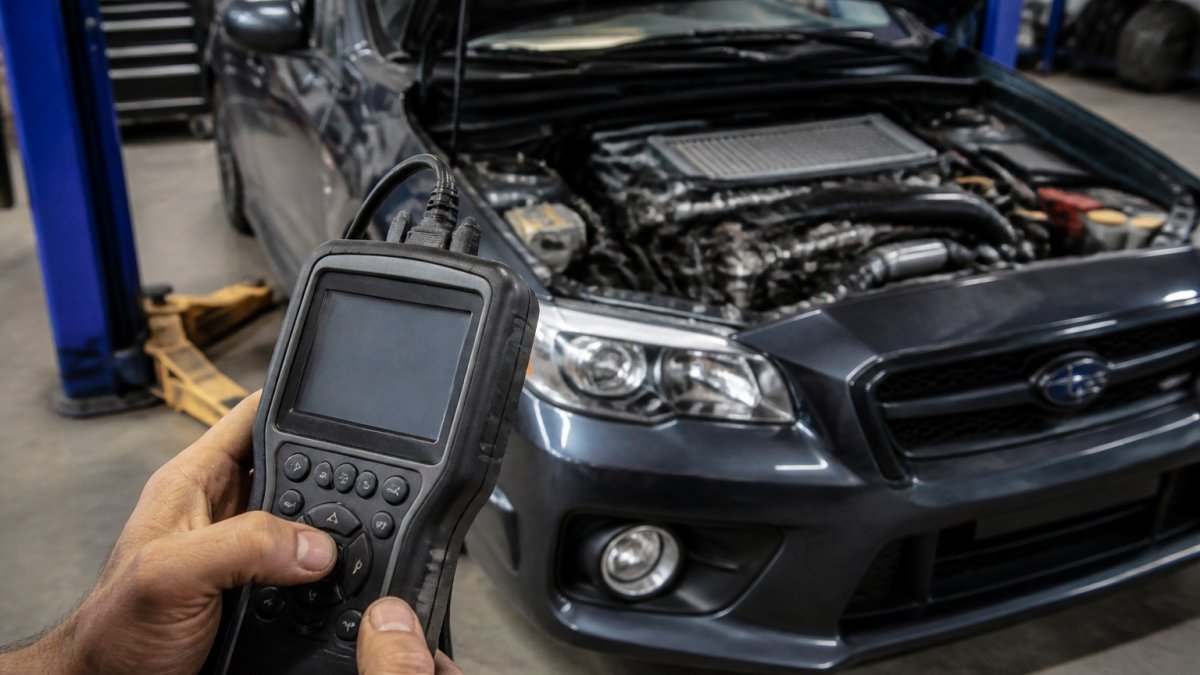
A repeatable fuel trim diagnosis starts with live data, not guesswork. Plug in an OBD-II scanner that reads live data, warm the engine, and watch STFT and LTFT at idle.
Here is a workflow to run:
- Connect the scan tool and pull any stored or pending diagnostic trouble codes.
- Let the engine reach full warm idle.
- Record STFT and LTFT for both bank 1 and bank 2.
- Note the readings at idle, then at a steady cruise.
- Blip the throttle and watch how the trims react on snap throttle.
- Compare banks against each other.
- Write the numbers down so you can compare after the repair.
The EPA's OBD-II system overview explains how the ECM stores and reports these codes, which helps you understand what the scanner is showing.
Reading Positive and Negative Values
Positive fuel trim means the ECM is adding fuel because the engine runs lean; negative means it is pulling fuel because it runs rich.
For high fuel trims, you care about the positive side. A positive number that keeps climbing under load is the classic sign of unmetered air or weak fuel delivery.
Testing at Idle, Cruise, and Snap Throttle
Where the trim misbehaves tells you a lot. Lean worst at idle points toward a vacuum leak; lean at cruise and under load points toward fuel delivery or a dirty mass airflow sensor.
Snap throttle is the tell: if trims spike lean on tip-in and recover slowly, you are usually chasing a fuel pressure or airflow measurement issue.
A Condition-by-Condition Interpretation Matrix
The useful skill is reading the same trim value differently depending on operating state. Use this matrix to translate the pattern into a suspect:
- Cold start, open loop: Trims are not applied yet, so a rough cold idle with normal warm trims points to a cold-start enrichment or intake issue, not a steady-state lean condition.
- Warm idle, lean: Positive trims highest at idle and improving as RPM rises is the signature of unmetered air, a vacuum leak, intake boot split, or PCV fault. The leak is a larger fraction of total airflow at low RPM.
- Steady cruise, lean: Trims fine at idle but climbing at a steady 2,000-2,500 RPM cruise point toward fuel delivery (weak pump, clogged filter, restricted line) or a MAF under-reporting airflow.
Pairing Each Pattern With a Confirmation Test
Trim patterns narrow the suspect; a test confirms it. Never replace a part on a trim reading alone.
- Idle-worst lean pattern → smoke test. Introduce smoke into the intake tract and watch for it escaping at gaskets, boots, and vacuum lines, faster and safer than spraying flammable cleaner around a hot engine.
- Cruise/load lean pattern → fuel pressure test. Tee a gauge into the rail, compare to the manufacturer's spec, and watch whether pressure holds under load and after shutoff.
- Suspect MAF → compare reported airflow to expected. Check the MAF reading against a known-good value or calculated load at a steady RPM, and inspect the element for contamination before condemning it.
Vehicle-Specific Caveats That Change the Reading
Normal ranges, PID labels, and sensor strategies vary by vehicle and operating state, so treat any universal threshold as a starting point, not a verdict. On modified cars, an aftermarket intake or tune can shift MAF scaling and trims before any fault exists. Confirm readings against the vehicle's expected behavior and current calibration.
Run this workflow in order so every trim reading is captured under the same conditions.
| Step | What to do |
|---|---|
| 1 | Connect scan tool and pull stored or pending codes |
| 2 | Let engine reach full warm idle |
| 3 | Record STFT and LTFT for bank 1 and bank 2 |
| 4 | Note readings at idle, then steady cruise |
| 5 | Blip throttle and watch trims on snap throttle |
| 6 | Compare banks against each other |
| 7 | Write numbers down to compare after repair |
High Positive Fuel Trim Causes and How to Narrow Them Down
High positive fuel trim causes come down to two buckets: too much unmetered air, or not enough fuel delivered. Every test should sort into one of those two piles.
The common culprits:
- Vacuum leaks and intake leaks letting unmetered air past the mass airflow sensor
- A dirty or failing mass airflow sensor under-reporting airflow
- Weak fuel pressure from a tired pump, clogged filter, or failing regulator, if diagnosis points to the regulator, an adjustable fuel pressure regulator is the replacement.
A common mistake is replacing the O2 sensor first, it is usually reporting the truth. Test the air and fuel side before blaming the sensor.
Vacuum Leak Symptoms and Diagnosis for Unmetered Air
Vacuum leak symptoms start with a rough or hunting idle, a lean condition at idle that cleans up off idle, and positive fuel trims worst at idle. Unmetered air sneaks past the mass airflow sensor, so the ECM never accounts for it and the mixture goes lean.
How to hunt one down:
learn to tune with Professional Tuning Consultation & Personalized 1 on 1 →
- Spray carb cleaner around intake gaskets, vacuum lines, and the throttle body while watching trims.
- Listen for a hiss at the intake manifold.
- Check every vacuum line for cracks, especially on older turbo cars.
When the idle changes or the trims drop, you found your leak. Fix it, then reset fuel trims and let the ECM relearn.
Fuel Pressure Testing for a Lean Condition
Fuel pressure testing confirms whether the pump and regulator deliver enough fuel. Hook a gauge to the rail, compare to spec, and watch whether pressure holds under load.
Low pressure at idle that drops further under load means the pump or filter is weak.
To measure it properly, you need a gauge.
Never guess at fuel pressure by feel, a gauge is the only way to confirm the pump is doing its job before you spend money on parts.
Bank 1 vs Bank 2 Patterns and Vehicle-Specific Caveats
Bank 1 and bank 2 patterns tell you whether the problem is global or isolated to one side. Both banks lean together points to something shared like fuel pressure or a MAF; one bank lean points to that bank's injectors, intake gaskets, and O2 sensor.
On a V engine, a single lean bank almost always means a problem local to that side. On a flat-four Subaru, bank comparison still works but the layout makes some leaks harder to spot.
A Practical One-Bank vs Both-Bank Decision Framework
Use the bank pattern to sort causes before you test anything:
- Both banks lean by a similar amount: The cause is shared upstream of the split, a MAF under-reporting airflow, a weak pump feeding both rails, a clogged filter, or a vacuum leak common to both sides like the intake plenum or shared PCV path. Test shared components first.
- Both banks lean but one is worse: A shared cause plus a localized contributor. Fix the shared cause and recheck; the worse bank often reveals a second, smaller fault like a marginal injector or small gasket leak.
- One bank lean, the other normal: The cause is local to that bank, that side's injectors, intake gaskets, O2 sensor, or a bank-specific vacuum line. Do not replace shared parts on a single-bank pattern.
Vehicle-Specific Caveats and Scan-Data Limitations
Cheap scanners update slowly and can miss quick trim swings, making a snap throttle test almost useless. Use a tool that logs live data fast enough to catch the changes.
Beyond refresh rate, several vehicle-specific factors change how you should read bank data:
- PID labeling differs by manufacturer. Some tools label trims as bank 1 and bank 2, others use sensor 1 and sensor 2, and some report a single combined trim. Confirm which PID maps to which bank before you compare.
- Sensor strategy varies. Vehicles with wideband upstream sensors and vehicles with narrowband sensors report and react differently, so the same percentage does not mean the same thing across platforms.
- Calibration and modifications shift the baseline. An aftermarket intake, exhaust, or tune can change MAF scaling and move trims before any fault exists. Establish a baseline on the current calibration before chasing a cause.
Repair Verification and Post-Repair Learning
Confirming the fix is part of the bank comparison, not a separate step. After a repair, clear the codes and reset fuel trims, then drive a full warm-up cycle at idle, cruise, and light load.
If you found a weak pump or a wiring issue causing low voltage at the pump, a Deatschwerks high current universal kit to hardwire the fuel pump to battery keeps voltage stable so the trims stay put.
The NHTSA guidance on vehicle diagnostics and safety is worth a read on why proper diagnosis matters for safe operation, especially on a modified car.
Confirming the Fix and Verifying Fuel Trims After Repair
Confirming the fix means resetting fuel trims, driving the car, and watching LTFT settle back toward normal. Do not call a repair done just because the check engine light cleared.
Here is how to verify after a repair:
- Clear the codes and reset fuel trims.
- Drive a full warm-up cycle at idle, cruise, and light load.
- Recheck STFT and LTFT on both banks.
If you found a weak pump or a wiring issue causing low voltage at the pump, a Deatschwerks high current universal kit to hardwire the fuel pump to battery keeps voltage stable so the trims stay put.
The NHTSA guidance on vehicle diagnostics and safety is worth a read on why proper diagnosis matters for safe operation, especially on a modified car.
Book a Tuning Consultation Before You Chase Trims Alone
Chasing high fuel trims on a modified car gets old fast, and a bad guess can cost you an engine. If the numbers keep climbing after you have checked the obvious causes, get expert eyes on the data. Book a tuning consultation and one-on-one tuning instruction to work through your setup with someone who reads trims every day.

At Taylor'd Tuning, we have spent over 17 years tuning and modifying cars and trucks, with deep focus on Subaru and GTR platforms.
For readers running a Cobb AccessPort, our Cobb Tuning AccessPort pairs with custom calibration, and our Dyno Tuning and Calibration sessions let us dial in your build on the dyno.


Get started with Taylor'd Tuning and put real data behind your next repair.
Frequently Asked Questions
What causes high positive fuel trims?
Positive fuel trims mean the ECM is adding fuel to correct a lean air-fuel mixture. The most common causes are unmetered air entering through a vacuum leak or intake leak, a dirty or failing mass airflow sensor underreporting airflow, weak fuel pressure from a tired pump or clogged filter, or clogged fuel injectors. Start with a smoke test for intake leaks, then check MAF sensor readings against expected airflow and test fuel pressure at the rail. A lean condition that only appears at idle usually points to a vacuum leak, while one that worsens under load points toward fuel delivery.
How do you diagnose high fuel trims with a scan tool?
Warm the engine to operating temperature, then view STFT and LTFT on live data at idle, at cruise, and during a snap throttle. Normal trims sit within about plus or minus 10 percent. If LTFT is high positive at idle but drops as RPM rises, suspect a vacuum leak. If it climbs under load, suspect fuel delivery or MAF sensor accuracy. Clear any pending codes, note the freeze-frame data, and compare bank 1 to bank 2 on V-style engines to isolate the affected side before testing components.
Can a vacuum leak cause high fuel trims?
Yes. A vacuum leak lets unmetered air into the intake that the MAF sensor never measured, so the ECM sees a lean condition on the oxygen sensor and adds fuel. Typical vacuum leak symptoms and diagnosis include a rough or unstable idle, trims that are worst at idle and improve with RPM, and a hissing sound near the intake or vacuum lines. A smoke test is the fastest way to confirm it. Check intake boots, PCV hoses, and intake manifold gaskets, especially on modified turbo cars where boost pressure stresses those connections.
Should fuel trims be checked at idle or under load?
Check both. Trims behave differently across operating conditions, and that difference is the diagnostic clue. A vacuum leak shows up as high positive trims at idle that improve as RPM and engine load rise. A weak fuel pump or clogged filter often looks fine at idle but pushes trims positive under load or at wide-open throttle. A MAF sensor problem can skew readings across the whole range. Log trims at idle, steady cruise, and a snap throttle, and note when the numbers drift.
